


The Role of Cartilage Regrowth Gels in Modern Joint Repair: Innovations, Benefits, and Patient Realities
Cartilage damage in joints—especially the knees—is a common and often painful problem that can seriously limit movement. Traditionally, treatments have focused either on managing symptoms or on invasive surgery. However, there is growing interest in newer, minimally invasive options that get to the root of the issue. One such innovation is cartilage regrowth gels, which aim to help the body heal itself by encouraging cartilage repair. This article offers a straightforward guide on how these gels work, who might benefit, and what to expect from treatment. Our goal is to provide clear, expert information for anyone exploring modern solutions for joint cartilage repair.
The Science Behind Cartilage Regrowth Gels
Cartilage regrowth gels are specially designed materials that support the repair of damaged cartilage. Sometimes called collagen scaffold injections or cartilage repair hydrogels, these gels act as a kind of framework inside the joint. They give the body’s own cartilage cells, known as chondrocytes, a space to grow and regenerate new tissue. Research shows that these injectable gels “have emerged as an adjunctive modality to improve clinical outcomes” in cartilage repair (Perez-Carro et al., 2021). They are made from acellular collagen and work by forming a protective layer over the damaged area, stimulating new cartilage growth (Corain et al., 2023). Unlike older techniques, which often focused on mechanical fixes, these gels encourage natural healing. Imagine the gel as a delicate mesh nurturing fresh cell growth, gradually restoring smooth joint surfaces and improving function.
Perez-Carro, L., et al. (2021). Hip chondral defects: Arthroscopic treatment with the needle and curette technique and ChondroFiller. Arthroscopy Techniques, 10(5), e1291–e1297. https://doi.org/10.1016/j.eats.2021.03.011
Corain, M., et al. (2023). The Use of an Acellular Collagen Matrix ChondroFiller® Liquid for Trapeziometacarpal Osteoarthritis. Cartilage, https://doi.org/10.1177/19476035251354926
The Surgical Process: What Patients Can Expect
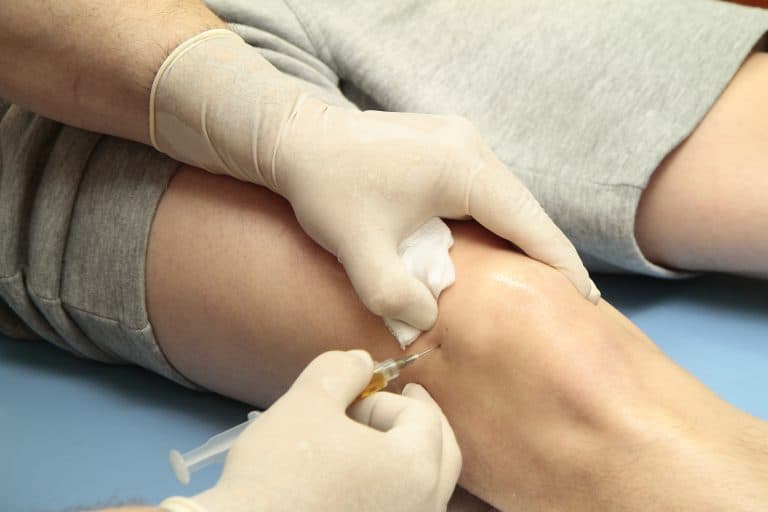
Applying cartilage regrowth gels is typically a minimally invasive procedure performed under arthroscopic guidance. Before surgery, a detailed assessment ensures the treatment is suitable for the patient. During the operation, very small incisions allow the surgeon to insert a fine needle or catheter and deliver the gel precisely to the damaged cartilage area. As noted by experts, this “1-step arthroscopic procedure” uses a liquid, cell-free collagen matrix called ChondroFiller® to treat full-thickness cartilage defects effectively (Perez-Carro et al., 2021). Other treatments involve a single injection guided by imaging to ensure accuracy (Corain et al., 2023). After the procedure, patients may feel some mild discomfort but will follow a carefully planned rehab programme to support healing. While less invasive than conventional surgery, this procedure requires skilled surgeons and specialised facilities to ensure safety and maximise results.
Perez-Carro et al., 2021; Corain et al., 2023
Free non-medical discussion
Not sure what to do next?
Information only · No medical advice or diagnosis.
Who Might Benefit: Patient Selection and Expected Outcomes
Cartilage regrowth gels tend to be most effective for people with localised cartilage damage who want to avoid more extensive surgery. Suitable candidates usually do not have widespread arthritis and maintain good joint stability. Clinical studies highlight encouraging results: patients experienced “improvement in pain symptoms, associated with an increase in force in the pincer and grip movements” after treatment (Corain et al., 2023). Benefits can include less pain, better joint movement, and reduced inflammation, but outcomes can vary. Not every patient will see dramatic changes, so a personalised assessment by a trusted orthopaedic expert is essential. Notably, Professor Paul Lee, with extensive experience in orthopaedics and rehabilitation, emphasises that the London Cartilage Clinic provides professional and tailored care to support patients through treatment and recovery.
Corain et al., 2023

Myths, Realities, and Responsible Treatment Choices
There are many misconceptions about cartilage regrowth gels—some claim they provide ‘miracle cures’ with guaranteed cartilage regrowth. It’s important to understand that, while promising, these gels are not a magic fix. Their success depends on factors like patient selection, the extent of cartilage damage, and proper clinical management. Patients should seek advice from experienced clinicians who rely on evidence and transparent communication. Before opting for treatment, it’s wise to ask about expected benefits, risks, the detailed procedure, and recovery plans. Making an informed, responsible choice is vital. And remember, for personalised medical advice, always consult a qualified healthcare professional.
Conclusion
Cartilage regrowth gels represent a modern, evidence-based approach that encourages your body’s natural healing of damaged cartilage. Delivered through minimally invasive techniques, they offer a hopeful alternative to more invasive surgeries for those with localised joint damage. While not suitable for everyone, with expert guidance and realistic expectations, these treatments can improve pain and function. If you are considering cartilage regrowth gels, the best course is to consult trusted specialists who can provide personalised advice and support, helping you take confident steps towards better joint health.
Frequently Asked Questions
- London Cartilage Clinic combines advanced cartilage restoration techniques with personalised care, guided by Prof Paul Lee, an eminent cartilage expert and Royal College of Surgeon of Edinburgh Ambassador, ensuring each patient receives expert assessment and tailored treatment plans for their unique needs.
- Professor Paul Lee is a highly respected cartilage specialist, Regional Surgical Ambassador, and advisor to the Royal College of Surgeon of Edinburgh. With extensive orthopaedic experience, he leads the clinic in providing evidence-based, minimally invasive treatments for complex cartilage conditions.
- Cartilage regrowth gels may benefit those with localised cartilage damage seeking alternatives to major surgery. Suitability depends on joint stability, absence of widespread arthritis, and individual assessment by an expert. London Cartilage Clinic carefully evaluates each patient’s unique situation before recommending any treatment.
- The procedure is typically minimally invasive, involving arthroscopic guidance for precise gel delivery. Patients may experience mild discomfort post-procedure and follow a tailored rehabilitation programme. London Cartilage Clinic provides ongoing support and expert oversight throughout the recovery process, prioritising patient safety and wellbeing.
- London Cartilage Clinic emphasises transparent communication, clinical evidence, and realistic expectations. Professor Paul Lee and his team guide patients through detailed assessments, explain procedures clearly, and support recovery, helping each patient make informed, responsible choices tailored to their joint health goals.
Legal & Medical Disclaimer
This article is written by an independent contributor and reflects their own views and experience, not necessarily those of London Cartilage Clinic. It is provided for general information and education only and does not constitute medical advice, diagnosis, or treatment.
Always seek personalised advice from a qualified healthcare professional before making decisions about your health. London Cartilage Clinic accepts no responsibility for errors, omissions, third-party content, or any loss, damage, or injury arising from reliance on this material.
If you believe this article contains inaccurate or infringing content, please contact us at [email protected].
London Cartilage Clinic
Modern treatments, designed for lasting knee outcomes
Every treatment plan is selected to help you return to the quality of life you deserve. Our team combines up-to-date techniques with consultant-led decision making across cartilage repair, regeneration and replacement.
What your journey can look like
Step 01
Consultant-Led Assessment
Symptoms, imaging and goals reviewed in one structured appointment.
Step 02
Personalised Treatment Plan
A clear route chosen from repair, regeneration or replacement options.
Step 03
Precision Delivery
Modern techniques and specialist equipment matched to your diagnosis.
Step 04
Long-Term Knee Health
Follow-up guidance focused on durable function and quality of life.
Will the Arthrosamid work for me
PAAG-8+ Questionnaire
A bright, structured entry point for patients exploring Arthrosamid. The questionnaire helps frame suitability, expectations, and 24-month clinical benefit discussion before a fuller consultant-led review.
Designed for shared decision-making. It does not replace specialist consultation, examination, imaging review, or formal medical advice.